



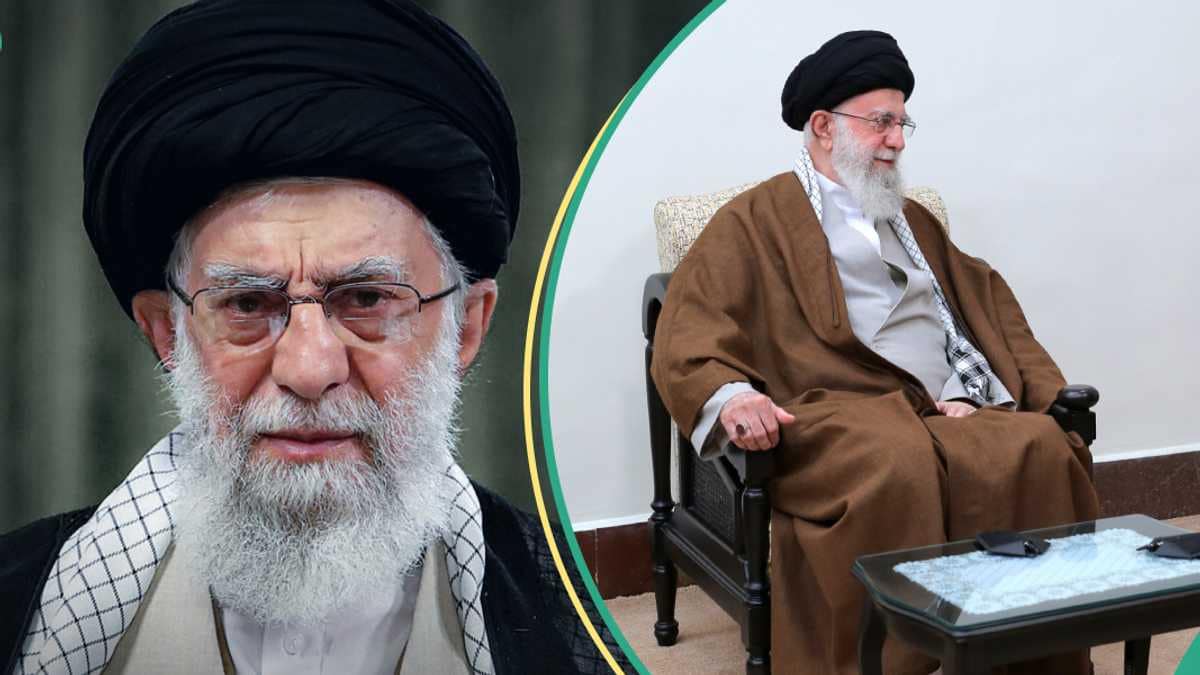
In recent days, reports have emerged that Iran’s Supreme Leader, Ayatollah Ali Khamenei (86), has gone into hiding in a fortified bunker reportedly in Tehran’s Lavizan area as a full-scale Israeli campaign targets Iranian military figures and nuclear sites. With a series of Israeli airstrikes decimating Revolutionary Guard commanders, Khamenei has reportedly taken extraordinary precautions to ensure the survival of Iran’s leadership avoiding electronic communication and issuing directives through a trusted aide.
Most striking, according to investigations by The New York Times and subsequent international reporting, is Khamenei’s clandestine appointment of three senior clerics as potential successors in the event of his death. Traditionally, succession is the prerogative of the 88‑member Assembly of Experts, but the Ayatollah’s preemptive move broadcasting his preferences from underground marks a sharp departure from constitutional norms, signalling both the severity of the existential threat and his determination to shape the transition. Notably, his influential son Mojtaba was reportedly excluded from the shortlist, underscoring a possible shift away from dynastic succession.
Complicating the context, U.S. President Donald Trump has reportedly vetoed a prior Israeli proposal to assassinate Khamenei, even as Trump’s rhetoric has described the Ayatollah as an “easy target” and hinted at U.S. awareness of his bunker location . In the meantime, Netanyahu and Israel’s defense establishment continue to see regime change in Tehran as a strategic goal. Against this backdrop, Khamenei’s succession strategy appears designed not only to protect Iran’s immediate governance but also to project internal resilience amid what may be the most volatile chapter in the Islamic Republic’s modern history.


